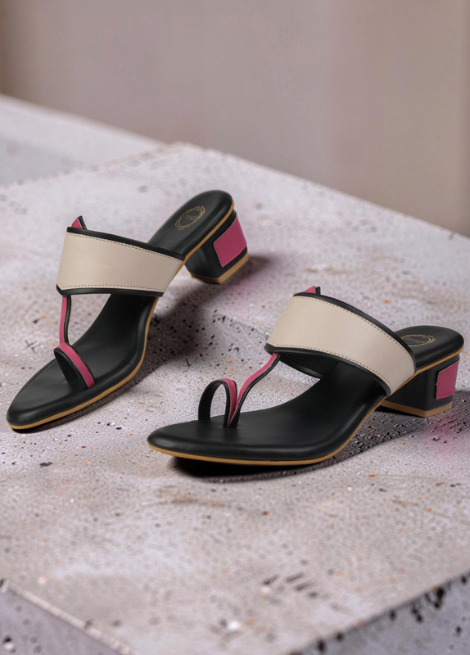
How to Stop Heel Pain While Wearing Kolhapuri Chappals

Kolhapuri chappals are timeless. They're stylish, breathable, and go with almost everything from cotton kurtas to summer dresses. But many women love the look and quietly hate the aftermath. That dull ache, sharp sting, or throbbing sensation at the end of the day is very real.
If you've ever slipped off your Kolhapuri sandals for ladies and thought, why does my heel hurt again, you're not alone. Let's talk honestly about the heel pain reason, and more importantly, what you can actually do about it without giving up your favourite chappals.
Why Does Heel Pain Happen with Kolhapuri Chappals
Traditional Kolhapuris are flat, hard, and mostly unsupportive. They were designed for durability and style, not modern foot anatomy. The most common heel pain reason is the lack of cushioning and arch support.
When your heel hits the ground directly on a hard sole, all the pressure goes straight to the bottom of your foot. Over time, this can lead to:
- Heel pain caused by strain on the plantar fascia
- Pain in the bottom of the heel, especially after long walks
- Heel pain after waking up, when the foot stiffens overnight
This heel pain in women is even more common because footwear choices often prioritise looks over support.
Why Does It Feel Worse in the Morning
If your heel hurts most when you get out of bed, that's not random. Heel pain just after you wake up is a classic sign of plantar fascia stress. During sleep, your foot relaxes.
The first few steps in the morning stretch the tissue suddenly, causing sharp pain. Flat footwear like Kolhapuris, especially when worn daily, can quietly contribute to this problem.
Kolhapuris And Flat Feet: A Tricky Combination
If you have flat feet, Kolhapuris can be extra unforgiving. Women with flat arches already put more pressure on the heel and inner foot. Pair that with zero arch support, and pain becomes almost inevitable.
That's why many podiatrists recommend avoiding completely flat soles if you have flat feet. If you love ethnic footwear, consider rotating Kolhapuris with flat foot footwear for women that offers arch support. Your feet need variety, not punishment.
Also Read - Everyday Footwear Tips for Women With Flat Feet
How to Reduce Heel Pain Without Ditching Kolhapuris

Good news. You don't have to give them up entirely. You just need to wear them smarter.
1. Don't wear them all day, every day
Kolhapuris are best treated like fashion footwear, not workhorse shoes. Avoid wearing them for long shopping trips, travel days, or standing-heavy routines.
2. Add soft insoles
Thin gel or foam insoles can make a big difference. Look for ones designed to support heel pain in bottom of heel. Even minimal cushioning reduces shock.
3. Choose softer soles
Modern Kolhapuris now come with rubberised or cushioned bases. These look traditional but feel much kinder on your feet.
4. Stretch your feet daily
Simple calf and foot stretches help prevent heel pain plantar fasciitis. Stretch before bed and again in the morning.
5. Rotate your footwear
Alternate Kolhapuri chappals with heel pain relief slippers, supportive flats, or cushioned slidders at home.
Heel Pain in Pregnancy and Kolhapuris
Pregnancy changes everything, including your feet. Heel pain during pregnancy happens due to weight gain, hormonal changes, and ligament relaxation. Flat, hard footwear during this time can worsen discomfort.
If you're pregnant, it's best to limit Kolhapuri use and switch to supportive footwear with soft soles and slight heel elevation. Comfort isn't a luxury during pregnancy; it's a necessity.
At-home Habits That Actually Help
Small daily habits can reduce pain more than you expect.
- Ice your heel for 10 minutes after a long day
- Walk barefoot less, especially on hard floors
- Use cushioned heel pain relief slippers at home
- Roll your foot over a frozen water bottle or tennis ball
- Avoid jumping straight into flat footwear first thing in the morning
These steps are especially helpful for heel pain in women who juggle long days, household work, and constant movement.
Also Read - How to Choose the Best Footwear for Swollen Feet
When Kolhapuris aren't the problem, but the trigger
Sometimes, Kolhapuris aren't the main cause. They just reveal an existing issue. If your pain persists even after changing footwear, the underlying heel pain reason could be plantar fasciitis, heel spurs, or tendon strain.
In such cases, continuing to wear hard flats will only delay healing. Listening to your body matters more than sticking to a style.
Choosing Better Alternatives Without Losing Style

If you love the Kolhapuri look but need comfort, explore:
- Arch-support sandals
- Cushioned ethnic flats
- Supportive flats designed
-
Soft-soled womens slidders for casual wear
Today's market offers plenty of options that blend tradition with foot health.
Why Choose Kolhapuris from Dhaga
Choosing Kolhapuris from Dhaga means you get tradition without the discomfort. Each pair is handcrafted with premium leather, softer cushioned soles, and thoughtful detailing that supports everyday wear.
Dhaga blends authentic Kolhapuri craftsmanship with modern comfort, making their designs stylish, durable, and easier on your feet. If you want timeless ethnic footwear that feels as good as it looks, Dhaga's Kolhapuris are a smart, feel-good choice.
Final Thoughts
Kolhapuri chappals are beautiful, but your feet shouldn't pay the price for style. Understanding the real heel pain reason helps you make smarter choices.
With better habits, supportive alternatives, and a little rotation, you can enjoy your footwear without dreading that first painful step in the morning. Your feet carry you everywhere. Treat them like they matter.
FAQs
1. Why do Kolhapuri chappals cause heel pain?
Yes. Mostly due to hard soles, lack of cushioning, and zero arch support, which stresses the heel.
2. Is heel pain after waking up serious?
Yes. It can be a sign of plantar fasciitis and shouldn't be ignored if it happens regularly.
3. Can heel pain relief slippers really help?
Yes. Cushioned slippers reduce impact at home and support recovery.
4. Is heel pain common in women?
Yes. Very common, especially due to footwear choices, long-standing hours, and lifestyle factors.
5. Should pregnant women wear Kolhapuri chappals?
Yes. It's better to avoid them during pregnancy and choose supportive, cushioned footwear instead.