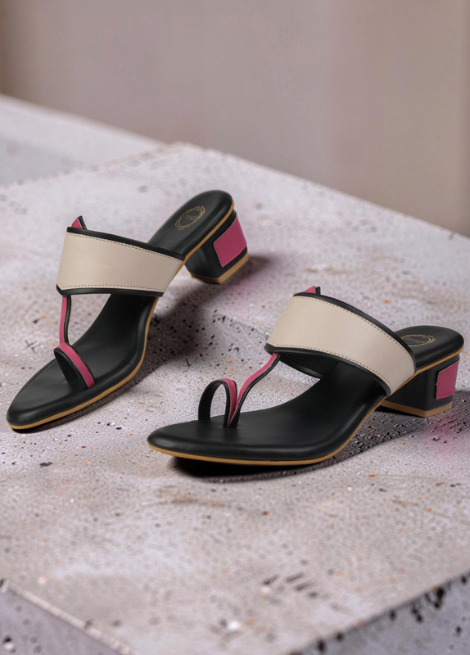
Kolhapuri Chappals vs Regular Leather Footwear: Key Differences
Comprehensive Summary
- Kolhapuri Craft Identity: Kolhapuris carry a GI tag tying the name to artisans in specific districts of Maharashtra and Karnataka, something no mass-produced leather sandal can claim.
- Handmade vs Machine Construction: Every stitch, braid and edge finish on a Kolhapuri chappal is done by hand, while regular leather footwear relies on machine cutting and synthetic adhesives throughout.
- Comfort Over Time: Unlike machine-cut insoles, flat Kolhapuri sandals mould to the exact shape of the wearer's foot within the first few wears.
- Durability Comparison: Vegetable-tanned leather resists cracking and can be resoled, giving Kolhapuri chappals for women a lifespan that most mid-range regular leather sandals cannot match.
- Design Versatility: Heels Kolhapuri styles now cover festive, bridal and semi-formal ethnic occasions that regular leather sandals rarely handle with the same cultural fit.
- Value for Money: At a comparable price point, a handcrafted Kolhapuri chappal outlasts and outfits a machine-made leather alternative across most Indian wardrobes.
Key Takeaways
- Vegetable-tanned Kolhapuri chappals outlast chrome-tanned regular leather when both receive the same basic care and conditioning.
- Machine-made regular leather footwear offers consistent sizing but Kolhapuri chappals vs regular leather footwear win on personalised fit since the sole moulds to the foot with wear.
- Flat Kolhapuri covers daily ethnic and casual wear, while heeled Kolhapuri handles festive and semi-formal occasions that regular leather sandals rarely match.
- Handcrafted Kolhapuri chappals for women carry GI-protected craft value that no mass-produced leather alternative can replicate at the same price point.
What Makes Kolhapuri Chappals Different
Craftsmanship: Handmade vs Machine-Made
|
Factor |
Kolhapuri Chappals |
Regular Leather Footwear |
|---|---|---|
|
Construction method |
Fully handmade and hand-braided |
Machine cut and stitched |
|
Strap assembly |
Hand-braided, even tension throughout |
Single machine-stitched seam |
|
Edge finishing |
Hand burnished per pair |
Machine buffed uniformly |
|
Stitch durability |
Hand-set tension holds longer at stress points |
Machine stitching can loosen with sustained wear |
|
Pair consistency |
Slight natural variation between pairs |
Identical across the production run |
|
Craft traceability |
GI-protected artisan community |
Factory-produced, no regional identity |
Material Quality Comparison
Comfort and Fit Over Time
- Flat Kolhapuri sandals are open, flexible and built on a sole that softens with body heat and pressure. After three to five wears, the footbed takes the shape of the wearer's arch and toe spread, creating a custom fit that a machine-cut leather insole cannot replicate. The open construction also keeps feet cooler during extended wear, which matters across long Indian summer days and multi-hour wedding functions.
- Regular leather footwear, particularly closed or semi-closed styles, takes longer to break in and may never fully conform to an unusual foot shape. The structured upper that makes them look polished can also restrict natural toe splay over time.
Durability and Lifespan
Design and Versatility
Ethnic Wear
Everyday and Western Wear
Price vs Value: Is Handcrafted Worth It?
|
Factor |
Kolhapuri Chappals |
Regular Leather Footwear |
|---|---|---|
|
Construction |
Handmade, hand-stitched |
Machine cut and bonded |
|
Leather type |
Vegetable tanned |
Chrome tanned (mostly) |
|
Break-in period |
3 to 5 wears |
5 to 10 wears |
|
Average lifespan |
3 to 7 years |
1 to 3 years |
|
Resoleable |
Yes |
Rarely |
|
Outfit range |
Ethnic and casual |
Formal and Western |
|
Cultural value |
GI-protected craft |
None |
Which One Should You Choose?
Choose Kolhapuri Chappals If:
- Your wardrobe is mostly ethnic, Indo-Western or casual
- You want footwear that improves in fit with every wear
- Daily comfort across long hours matters more than formal polish
- You wear flat Kolhapuri sandals for everyday use and want Kolhapuri heels for weddings and festive days
- You value handcrafted construction and GI-protected craft over mass-produced consistency
Choose Regular Leather Footwear If:
- Your wardrobe leans formal or corporate Western
- You need a closed toe or structured shoe for office dress codes
- Outfit uniformity across a large formal wardrobe is the priority
- You attend very few ethnic occasions and need primarily Western footwear
Conclusion
FAQs on Kolhapuri Chappals vs Regular Leather Footwear
Are Kolhapuri chappals more durable than regular leather shoes?
Vegetable-tanned Kolhapuri chappals outlast most mid-range regular leather footwear by two to four years with basic conditioning and correct storage.
Do Kolhapuri chappals take time to break in?
Yes, but flat Kolhapuri sandals mould to the foot within three to five wears and feel significantly more personalised in fit than machine-cut leather soles after that point.
Can Kolhapuri chappals be worn daily like regular sandals?
Kolhapuri chappals for women are built for daily wear and handle long hours on the foot better than most regular leather sandals at the same price point.
Are Kolhapuri chappals more expensive than regular footwear?
Genuine handcrafted Kolhapuri chappals sit in a comparable price range to mid-tier regular leather sandals but deliver significantly better longevity and fit over time.
Can Kolhapuri chappals be paired with Western outfits?
Flat Kolhapuri sandals pair naturally with jeans, maxi dresses and casual Western outfits, while Kolhapuri heels work for Indo-Western festive and semi-formal looks.
Sample Block Quote
Sample Paragraph Text
Editor’s Picks
Example product title
- Rs. 19.99
- Rs. 19.99
- Unit price
- / per
Example product title
- Rs. 19.99
- Rs. 19.99
- Unit price
- / per
Example product title
- Rs. 19.99
- Rs. 19.99
- Unit price
- / per
Example product title
- Rs. 19.99
- Rs. 19.99
- Unit price
- / per
Example product title
- Rs. 19.99
- Rs. 19.99
- Unit price
- / per