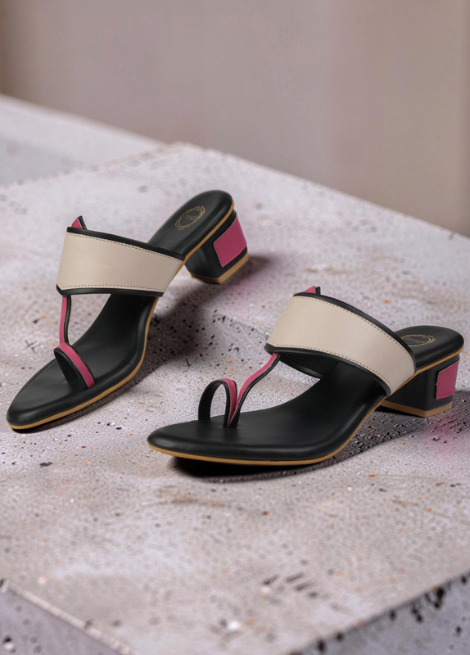
How to Clean and Care for Kolhapuri Chappals (Complete Guide)
by
Ak Makhija
17 Jul 2026

A good pair of Kolhapuri chappals lasts years when looked after properly and loses its shape, colour and strap integrity within months when it is not. The leather used in genuine Kolhapuri chappal construction is vegetable tanned, which makes it durable but also more sensitive to water, dust and neglect than synthetic footwear.
This guide walks through everything needed to clean Kolhapuri chappals, remove stains and odour, store them correctly and extend their life across seasons, whether you own a pair of flat Kolhapuri sandals, heels or everyday Kolhapuri footwear for women.
Comprehensive Summary
- Kolhapuri Leather Needs Specific Care: Vegetable tanned leather in a genuine Kolhapuri chappal is more porous than synthetic materials and needs consistent conditioning to stay supple.
- How to Clean Kolhapuri Chappals: Dry brush first, spot wipe with a barely damp cloth and condition after every clean as the standard sequence that protects the braid and leather surface.
- Stain and Odour Removal from Kolhapuri Chappal: Mud, turmeric and sweat each need a different spot treatment, and working on a dry surface always gives better results than tackling a wet stain.
- Drying and Storage Tip for Kolhapuri Chappal: Air drying in shade and storing in a fabric pouch with silica gel packets prevents the cracking and mildew that ruin most Kolhapuri chappal for women pairs between seasons.
- How to Take Care for Kolhapuri Chappal: Summer demands more frequent brushing, monsoon calls for near-complete avoidance of wet exposure and winter needs conditioning before and after long storage gaps.
- How Long do Kolhapuri Chappal Last: A flat Kolhapuri sandals or heels Kolhapuri pair maintained with the right routine holds up comfortably for three to five years of regular wear.
Key Takeaways
- Never soak or machine wash a Kolhapuri chappal as excess water warps the sole and pulls the braided strap stitching apart over time.
- Rub leather conditioner into the straps every three to four weeks to keep them supple and crack-free across both flat Kolhapuri sandals and heels Kolhapuri styles.
- Tuck the pair into a fabric pouch or original box with silica gel packets to control moisture between wears and long storage periods.
Why Kolhapuri Leather Needs Special Care
Genuine Kolhapuri chappal leather goes through vegetable tanning, a process using natural plant based compounds that gives the hide its firm, breathable character. That same process makes it more porous than chrome tanned leather, so the surface absorbs moisture, dust and sweat faster than most footwear materials you will come across.
When conditioning gets skipped, the natural oils in the hide gradually deplete and the leather begins cracking along the strap braids and toe cap.
The braided construction that defines a Kolhapuri chappal for women adds another layer of care complexity since dust and debris settle between the braid folds and are not visible until they cause surface damage. Taking care for Kolhapuri chappals is not complicated, but it requires the right products and a consistent routine rather than occasional deep cleaning.
Things You'll Need Before You Start
Gather everything before starting so the cleaning process runs in one uninterrupted sequence.
- Soft bristle brush or an old toothbrush
- Dry lint-free cloth or microfibre cloth
- Slightly damp cloth for spot wiping
- Leather cleaner or a very mild soap solution
- Leather conditioner or coconut oil as an alternative
- Silica gel packets for storage
- Fabric pouch or the original box
Avoid wet wipes, harsh detergents, bleach and any chemical spray not formulated for leather. These strip the natural oils from the hide and leave the Kolhapuri chappal surface looking dull and dry within a few uses.
Step-by-Step Cleaning Process
Follow this sequence each time you clean Kolhapuri chappals after regular wear or before storing them away.
Step 1: Dry brush first
Take a soft bristle brush and work it across the strap surface, braid folds and sole edges to lift loose dust and dried mud. Brush along the direction of the braid, not against it, so no threads pull loose in the process.
Step 2: Wipe the surface
Dampen a lint-free cloth and wring it out until barely any moisture remains, then run it lightly across the straps and footbed. Pouring water directly onto the leather is a fast way to warp it, so the cloth method is the only one worth using.
Step 3: Clean the sole
Dip an old toothbrush in a mild soap solution and scrub the rubber or leather sole in short strokes. Rinse the brush as you go, not the Kolhapuri chappal itself, then wipe the sole dry with a clean cloth.
Step 4: Spot clean the straps
Put a small amount of leather cleaner onto a cloth and work it into the braided straps using gentle circular motions. Follow immediately with a dry cloth to lift any residue before it settles into the braid.
Step 5: Condition
Once the pair is completely dry, take a clean cloth and apply a thin, even layer of leather conditioner across the straps and footbed. Give it ten minutes to absorb, then buff lightly. This is the step most people skip and the one that matters most for long term care for Kolhapuri chappals, since it is what keeps the leather from stiffening and cracking between wears.
How to Remove Stains and Odour
Different stains need different treatments and working fast matters more than working hard when it comes to leather.
- Mud stains: Let the mud dry completely before touching it. Attempting to wipe wet mud spreads it deeper into the braid. Once dry, brush off with a soft bristle brush then wipe with a barely damp cloth.
- Turmeric stains: Dab a small amount of diluted white vinegar onto the stain using a cotton pad, leave for two minutes and wipe clean. Test on a hidden area first since vinegar can lighten certain leather tones.
- Sweat and odour: Sprinkle a thin layer of baking soda across the footbed and leave overnight. Brush off the next morning. For persistent odour, place the pair near an open window in shade for a few hours. This works for both flat Kolhapuri chappal and heels Kolhapuri styles equally.
- Oil or grease marks: Press a dry cloth firmly onto the mark immediately and hold for thirty seconds to absorb the oil. Do not rub. Follow with a light application of leather cleaner once the surface is dry.
- Ladies slide sandals with open footbeds accumulate sweat odour faster than closed styles, so the baking soda treatment is worth doing once a month regardless of visible staining.
Drying and Storing Kolhapuri Chappals the Right Way
EHow a Kolhapuri chappal dries after cleaning or rain exposure determines whether the leather stays supple or starts cracking within weeks.
Drying:
- Always air dry in a shaded, ventilated space. Direct sunlight bleaches colour and dries out the leather rapidly.
- Never use a hairdryer, radiator or direct heat source on any Kolhapuri chappal for women regardless of how urgent the drying feels.
- Stuff the toe area loosely with dry tissue paper to help the sole retain its flat shape as it dries.
- Allow a minimum of 24 hours before wearing again after any wet exposure.
Storing:
- Store in the original box or a fabric pouch, never in plastic bags which trap moisture and cause mildew on leather.
- Place one or two silica gel packets inside the storage box to absorb ambient humidity between seasons.
- Keep pairs separated rather than stacked to prevent strap impressions forming on the leather surface.
Seasonal Care Tips
Leather reacts to every season differently, and the way you care for Kolhapuri chappals needs to shift with it. Here is how you should care for your Kolhapuri chappals across summer, monsoon and winter:
Summer Care
Dust accumulates fast in dry summer months and settles into the braid folds of a Kolhapuri chappal within a single day of outdoor wear.
- Brush the straps after every second wear during peak summer months.
- Condition once a month since dry heat depletes leather oils faster than cooler months.
- Rotate between two pairs if wearing daily to give each pair recovery time.
Monsoon Care
Monsoon is the most damaging season for any Kolhapuri chappal for women because repeated water exposure softens the sole adhesive and weakens braid stitching over time.
- Avoid wearing leather Kolhapuri chappal in heavy rain. Switch to rubber sole ladies slide sandals for wet days.
- If the pair gets wet, dry in shade immediately and never store damp.
- Increase conditioning frequency to every two weeks during monsoon months.
- Check the sole edges for separation after wet exposure and get them repaired early before the gap widens.
Winter Care
Cold and low humidity in winter causes leather to stiffen and lose flexibility, which makes the braid on a flat Kolhapuri chappal prone to surface cracking.
- Condition before storing away at the start of winter and again before bringing the pair back into rotation.
- Store with tissue stuffing in the toe area to maintain shape through long storage periods.
- Bring leather pairs to room temperature before wearing after cold storage to avoid stress cracks on the strap surface
Common Mistakes to Avoid
- Soaking in water: Submerging a Kolhapuri chappal in water to clean it loosens the sole adhesive, warps the footbed and weakens every stitch in the braided upper. Always spot clean with a barely damp cloth only.
- Skipping conditioning: Cleaning without conditioning leaves the leather clean but dry. Dry leather cracks. Conditioning after every clean is not optional.
- Drying in sunlight: Sun drying fades colour and causes the leather surface to contract unevenly, pulling strap stitches loose on both heels Kolhapuri and flat styles.
- Using household cleaners: Detergents, surface sprays and wet wipes contain chemicals that strip leather oils and leave white residue in the braid folds of a Kolhapuri chappal for women.
- Storing in plastic: Plastic bags trap moisture and create the exact conditions mildew needs to grow on vegetable tanned leather during long storage periods.
- Wearing without a break-in period: New flat Kolhapuri sandals need two to three short wears at home before a full day out so the leather softens to the foot shape and avoids rubbing.
How Often Should You Clean Your Kolhapuris
The cleaning frequency depends on how often the pair is worn and in what conditions.
|
Usage Pattern |
Cleaning Frequency |
Conditioning Frequency |
|---|---|---|
|
Daily wear outdoors |
Every 1 to 2 weeks |
Every 3 to 4 weeks |
|
Occasional festive use |
After each wear before storing |
Before and after storage |
|
Monsoon season |
After every wet exposure |
Every 2 weeks |
|
Stored between seasons |
Before storing and before use |
Same as cleaning |
Ladies slide sandals and open footbed styles used daily in summer need the most frequent attention since the footbed absorbs sweat directly and the open design exposes the strap to more dust per wear than enclosed styles.
Conclusion
A Kolhapuri chappal is built to outlast most synthetic footwear, but only when cleaning, conditioning and storage are done consistently. The leather and hand braided straps hold up for years when given the right routine, whether the pair sees daily errands or festive occasions. Brush off dust, wipe clean, condition, dry in shade and store properly. Do that regularly and a good pair holds its shape, its colour and its craft through daily wear, monsoon seasons and wedding weekends alike.