Kolhapuri vs Juttis: Which One Should You Buy?
by
Ak Makhija
06 Jul 2026
Anyone building an ethnic footwear collection eventually runs into the same question: Kolhapuri vs Juttis, and which pair earns a spot in the cupboard first. Both styles come from centuries old Indian craft traditions, both are handcrafted Indian sandals in their own right, and both show up at weddings, festivals and college farewells. This traditional footwear comparison looks at how Kolhapuris and juttis differ in comfort, pricing, occasions and outfit pairing, so picking between them gets easier. If you are searching for the best ethnic footwear for women India has to offer, this guide covers both contenders fairly.
What Are Kolhapuri Sandals?
Kolhapuri sandals are open toe leather chappals that originated in and around Kolhapur in Maharashtra, with production also spread across parts of Karnataka.
The footwear is built from vegetable tanned leather, braided straps and a flat or low sole, and the craft has been passed down through generations of artisans. In 2019, Kolhapuri chappals received a Geographical Indication tag, which legally ties the name to footwear made in eight districts across Maharashtra and Karnataka, as covered on Wikipedia's Kolhapuri chappal page.
- Made from genuine or vegetable tanned leather.
- Open toe and open heel design with woven straps.
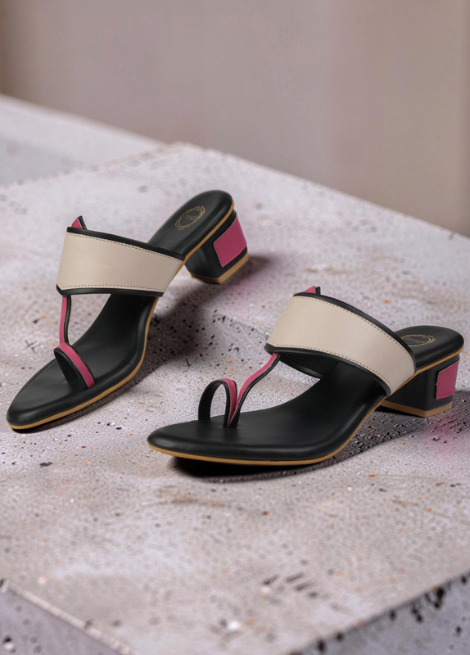
- Available in flat and block heel versions for women.
For shoppers comparing prices and craft quality side by side, Kolhapuris are frequently listed among the best ethnic footwear for women India offers in the budget to mid range segment.
What Are Juttis?
Juttis are closed toe, slip on shoes that trace back to the Punjab region, with roots in Mughal era court footwear.
Unlike Kolhapuris, a jutti has no left or right distinction, both shoes are identical and mould to the foot over time. The upper is frequently covered in embroidery, mirror work or zari, which is why juttis read as more festive and decorative compared to the rugged look of Kolhapuris. According to Wikipedia's entry on the jutti, Amritsar and Patiala remain major centres for handcrafted jutti production even today.
- Closed toe, slip on construction with no left or right side
- Decorated with embroidery, mirrors, beads or zari work
- Sole tends to be softer and more flexible than a Kolhapuri sole
Spotting the difference between Kolhapuri and Juttis frequently starts right here, with toe shape and surface finish being the first clues.
Key Differences Between Kolhapuri and Juttis
The difference between Kolhapuri and Juttis comes down to four areas: comfort, occasions, outfit pairing and price. Each is covered below with a quick comparison table at the end of this section.
Comfort
Kolhapuri sandals have a sturdier sole and an open design, which keeps feet cool but needs a short break in period for the straps to soften.
Juttis are closed and softer from the first wear, since the material moulds to the foot shape, though the open back can feel loose during long walks.
Occasions
Kolhapuris work for daily wear, college, casual outings and festive days alike, making them one of the most versatile picks among the best ethnic footwear for women India sells online.
Juttis lean towards festive and ceremonial settings such as weddings, sangeet functions and festival days, owing to their decorative finish.
Outfit Pairing
Kolhapuris pair with sarees, kurtis, palazzos, jeans and even Western dresses without much effort.
Juttis are traditionally worn with salwar kameez and lehengas, though they now also appear with jeans, matching sets and tailored trousers for a fusion look.
Price Range
Handcrafted leather and simpler embellishment keep Kolhapuri sandals in a moderate price band for most buyers.
Heavily embroidered juttis, especially those with zari or real metallic thread work, frequently cost more due to the extra hours of handwork involved.
|
Factor |
Kolhapuri Sandals |
Juttis |
|---|---|---|
|
Toe style |
Open toe |
Closed toe |
|
Best for |
Daily wear and festive days |
Weddings and festive events |
|
Sole feel |
Firm, needs breaking in |
Soft, moulds quickly |
|
Typical price |
Moderate |
Moderate to high |
Knowing the difference between Kolhapuri and Juttis on these four points makes shopping faster, whether browsing online or visiting a local market stall. Among the best ethnic footwear for women India offers, both styles rank high for craftsmanship, though each serves a different part of the week.
When to Choose Kolhapuri
Choose Kolhapuri sandals if your wardrobe leans towards sarees, kurtis and casual Indo Western outfits worn through the week.
In the Kolhapuri vs Juttis decision, Kolhapuris win for buyers who want one pair that moves between office, errands and small festive gatherings without feeling out of place. The open toe design also suits warmer climates better, since feet stay cool through the day. A wide range of Kolhapuri Sandals in flat and block heel styles is available for women who want both comfort and a festive finish in one pair.
- Pick Kolhapuri sandals for daily wear and frequent outdoor use
- Choose them if you prefer open toe, breathable footwear
- Go for Kolhapuri if budget needs to cover multiple pairs
Best For First Time Buyers
If this is the first ethnic pair in your wardrobe, Kolhapuris are the safer starting point because they work across more outfits and occasions.
When to Choose Juttis
Choose juttis when the occasion calls for a closed, decorative shoe that complements heavier embroidery on lehengas or salwar suits.
For winter weddings, sangeet nights or festival days when feet need more coverage, juttis are the stronger pick in this traditional footwear comparison. The closed design also keeps dust and cold air away from the feet during outdoor ceremonies. Browse the Juttis collection for embroidered and embellished pairs that work across festive seasons.
- Keep one neutral Kolhapuri pair for regular wear
- Keep one embroidered jutti pair for weddings and festive events
- Rotate based on outfit type rather than habit alone
Final Verdict
The Kolhapuri vs Juttis debate does not need a single winner. For daily routines, casual outings and warm weather, Kolhapuri sandals offer comfort and versatility at a fair price. For weddings, festivals and outfits with heavy embroidery, juttis bring the decorative finish that completes the look. Most buyers end up happier with one pair of each, chosen based on how frequently they step out and what kind of outfits fill their wardrobe.
Before adding either to your cart, check the sole type, try the strap width if buying offline, and pick colours that match at least two outfits already in your collection. Whichever pair earns the first spot in your cupboard, both styles remain part of the best ethnic footwear for women India keeps coming back to every season.
Frequently Asked Questions
Which is more comfortable for daily wear, Kolhapuri sandals or juttis?
Kolhapuri sandals tend to work better for daily wear because the open design keeps feet cool during long hours outdoors.
What is the main difference between Kolhapuri and Juttis in terms of look?
Kolhapuris are open toe with braided leather straps, while juttis are closed toe and covered in embroidery or embellishment in most designs.
Are juttis only for festive occasions?
No. While juttis suit weddings and festivals best, simpler designs now pair with jeans and matching sets for casual fusion looks too.
Which is a better gift option among handcrafted Indian sandals?
Embroidered juttis frequently make better gifts due to their decorative appeal, while Kolhapuris suit practical, everyday gifting.
Do both Kolhapuri sandals and juttis carry GI recognition?
Kolhapuri chappals carry a Geographical Indication tag granted in 2019, tying the name to specific districts in Maharashtra and Karnataka.
What is the easiest way to spot the difference between Kolhapuri and Juttis while shopping online?
Look at the toe and heel area first. Kolhapuris stay open at both ends, while juttis close up fully, and that single detail is enough to tell them apart in most product photos.
Sample Block Quote
Praesent vestibulum congue tellus at fringilla. Curabitur vitae semper sem, eu convallis est. Cras felis nunc commodo eu convallis vitae interdum non nisl. Maecenas ac est sit amet augue pharetra convallis.
Sample Paragraph Text
Praesent vestibulum congue tellus at fringilla. Curabitur vitae semper sem, eu convallis est. Cras felis nunc commodo eu convallis vitae interdum non nisl. Maecenas ac est sit amet augue pharetra convallis nec danos dui. Cras suscipit quam et turpis eleifend vitae malesuada magna congue. Damus id ullamcorper neque. Sed vitae mi a mi pretium aliquet ac sed elitos. Pellentesque nulla eros accumsan quis justo at tincidunt lobortis deli denimes, suspendisse vestibulum lectus in lectus volutpate.
Editor’s Picks
Example product title
- Rs. 19.99
- Rs. 19.99
- Unit price
- / per
Example product title
- Rs. 19.99
- Rs. 19.99
- Unit price
- / per
Example product title
- Rs. 19.99
- Rs. 19.99
- Unit price
- / per
Example product title
- Rs. 19.99
- Rs. 19.99
- Unit price
- / per
Example product title
- Rs. 19.99
- Rs. 19.99
- Unit price
- / per