Why Kolhapuri Chappals are Famous in India

If you've ever walked through a bustling Indian bazaar, you've likely heard that rhythmic click-clack sound before you even saw the stall. You look down, and there they are: sturdy, tanned, and intricately stitched. We're talking about the legendary Kolhapuri chappal.
Whether you're pairing them with a crisp cotton kurta or trying to add some "ethnic-chic" vibes to your jeans, these sandals are an absolute staple. But have you ever wondered why Kolhapuri chappals are famous across the entire subcontinent? It's not just about the look; it's about a heritage that's literally walked through centuries.
The Roots: Kolhapuri Chappals are Famous for Which State?

First things first, let's get the geography right. If you're asking, Kolhapuri chappals are famous for which state, the answer is Maharashtra. Specifically, they hail from the historic city of Kolhapur, though the craft extends into parts of Karnataka as well.
Back in the day (we're talking 13th-century levels), these were designed to withstand the rugged, rocky terrain of the Sahyadri mountains. They weren't just fashion statements; they were survival gear for your feet! Over time, the royalty of Kolhapur, the Chhatrapatis, encouraged the craft, turning a humble shepherd's sandal into a piece of art fit for a king.
How Are Kolhapuri Chappals Made? (The Magic in the Leather)
One of the main reasons Kolhapuri chappals stand out is the process. If you're curious about how are kolhapuri chappals made, prepare to be impressed. These aren't churned out in some sterile factory; they are handcrafted by skilled artisans who have passed the technique down through generations.
- The Design: The beautiful patterns you see on the "ear" (the side flaps) and the toe-ring are often made of woven leather or metallic thread.
- Vegetable Tanning: The leather (usually buffalo or cow hide) is treated using natural dyes and extracts from Babul or Hirda trees. No harsh chemicals here!
- The Stitching: Instead of using metal nails or synthetic glue, traditional Kolhapuris are stitched together using thin leather cords. It makes them incredibly durable.
The result? A sandal that is 100% biodegradable and gets softer and more comfortable the more you wear it. It's the original "sustainable fashion."
The "Sound" of Status By Kolhapuri Chappals

Have you ever noticed that some Kolhapuris "squeak" or "crunch" when you walk? It's actually an intentional design feature! If you've wondered why Kolhapuri chappal make sound, it's all down to the construction. Artisans often insert small pieces of leather or seeds into the layers of the sole. In the past, this sound served two purposes:
- Safety: It alerted snakes and insects on farm paths that someone was coming.
- Status: It announced the arrival of a "big man" or a person of importance in the village.
While modern versions are often quieter for city life, many purists still demand that classic "chirping" sound.
Also Read - How Can Bridal Flat Footwear Match Heavy Lehengas and Sarees
From Flats to Fashion: The Kolhapuri Evolution
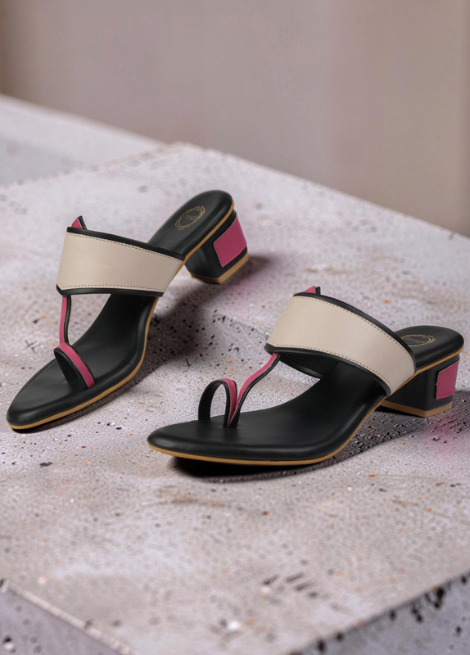
For a long time, these were strictly flat sandals. But as fashion evolved, so did the Kolhapuri. Today, you'll find stunning Kolhapuri heels for women. These keep the traditional leather aesthetic and toe-ring design but add a wedge or block heel to give you that extra height for weddings and festivals.
It's the perfect compromise for someone who loves the vibe of jutti shoes or ethnic flats but wants the posture of a heel. You get the intricate braided patterns and the bold tan colours, but with a modern lift that works beautifully with sarees or even palazzos.
Kolhapuris vs. Juttis: What's the Difference?
A common question is whether you should go for jutti shoes or Kolhapuris. While juttis (hailing from Punjab) are closed-toed and usually made of softer leather with heavy embroidery, Kolhapuris are open-toed, rugged, and defined by that iconic toe-ring. Both are beautiful, but if you want something breathable for a humid day, Kolhapuri is your best friend.
Why They Are Still the G.O.A.T.

So, why Kolhapuri chappals are famous even in the age of Nike and Adidas?
- Durability: A well-made pair can last years. They are tough as nails.
- Versatility: There aren't many shoes that look equally good at a high-end wedding and a casual grocery run.
- Cultural Pride: Wearing them is like wearing a piece of Indian history. They represent a craft that hasn't bowed down to industrialisation.
- Therapeutic Properties: Traditional leather tanners swear that the natural leather helps pull heat away from the body, keeping your feet cool in the scorching Indian summer.
Also Read - Traditional Valentine’s Day Gift Ideas for Girlfriend or Wife in 2026
The Verdict
So, you must know the answer to the question, why Kolhapuri chappals are famous. The Kolhapuri chappal is more than just footwear; it's a vibe. It's a mix of tradition, earthy aesthetics, and a bit of that "rebel" spirit. Whether you want the classic tan flat sandals heels, or the fancy Kolhapuri heels, you're participating in a tradition that's centuries old.
If you're on the hunt for a pair of Kolhapuris that don't just look the part but actually feel like a dream on your feet, you've probably stumbled across Dhaga. In a world where "fast fashion" is churning out synthetic copies that give you blisters after ten minutes, Dhaga is a breath of fresh, artisanal air. Check out our range of products now!
FAQs
- What is the history of Kolhapuri chappals?
Kolhapuri chappals have a rich history dating back over 800 years. They originated in Maharashtra and were traditionally handcrafted by skilled artisans using pure leather techniques passed down through generations.
- How are Kolhapuri chappals made?
Kolhapuri chappals are handmade using natural leather. The process includes cutting, shaping, tanning, dyeing, and stitching the leather without machines, ensuring durability and uniqueness.
- What materials are used in Kolhapuri chappals?
They are mainly made from high-quality leather, natural dyes, and sometimes decorative threads or metallic elements for design and durability.
- What are the benefits of Kolhapuri chappals?
Kolhapuri chappals are durable, breathable, eco-friendly, and comfortable for daily wear. Their open design keeps feet cool, making them ideal for hot climates.
- Are Kolhapuri chappals good for daily use?
Yes, Kolhapuri chappals are suitable for daily wear due to their strong leather build and comfortable flat sole, especially for casual and ethnic outfits.