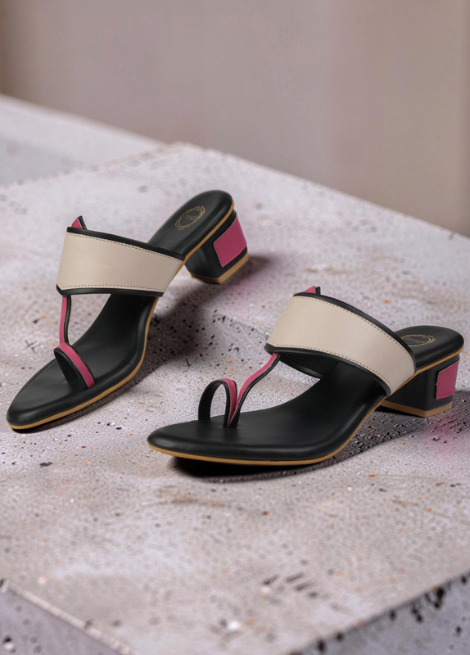
Benefits of Wearing Kolhapuri Chappal in 2026
by
Ak Makhija
17 Jul 2026
Introduction
The benefits of wearing Kolhapuri chappal go well beyond aesthetics. These are sandals built from vegetable-tanned leather, hand-stitched by artisans across Maharashtra and Karnataka, and designed with an open toe and braided strap construction that has changed very little over centuries because it did not need to. In 2026, as buyers look for footwear that lasts longer, treads lighter on the environment and connects to something real, Kolhapuri chappals have moved from a regional craft item into one of the most searched ethnic footwear categories in India.
Whether you are buying your first pair or adding to an existing collection, here are the benefits of wearing heels - Kolhapuri.
Comprehensive Summary
- Benefits of Wearing Kolhapuri Chappal: Vegetable tanned leather, open construction and a flat sole combine to deliver comfort that improves the more you wear them.
- Kolhapuri Chappal Breathability: The natural leather and open toe design allow consistent airflow, making these sandals one of the most practical choices for India's hot and humid months.
- Durability Over Synthetic Footwear: With basic care, authentic Kolhapuri chappals hold their shape and structure for three to five years, far outlasting mass-produced synthetic alternatives.
- Flat Kolhapuri Benefits: The flat sole distributes body weight evenly across the foot, reducing strain on the heel and arch during long hours of walking or standing.
- Craft and Sustainability: Each pair supports a living artisan tradition and uses natural materials, placing Kolhapuri chappals among the more sustainable footwear choices available in India today.
- Everyday Versatility: From ethnic kurtas and sarees to jeans and maxi dresses, the benefits of Kolhapuri chappal extend across daily wear, not just festive occasions.
Key Takeaways
- Kolhapuri leather softens and moulds to the foot with each wear, meaning the second week feels noticeably better than the first day.
- The open, breathable construction keeps feet cooler in heat and humidity than closed synthetic sandals.
- A genuine leather Kolhapuri chappal outlasts three to five pairs of synthetic footwear at a comparable or lower price point.
What Are Kolhapuri Chappals?
Kolhapuri chappals are flat, open-toe sandals cut from vegetable-tanned leather, hand-stitched by artisans across Maharashtra and Karnataka, with braided straps and a thick leather sole that holds its shape through years of regular wear.
The name comes from the city of Kolhapur in Maharashtra, which became the commercial centre for this craft in the early twentieth century. Today, the footwear carries a Geographical Indication tag, meaning only sandals produced in eight designated districts across Maharashtra and Karnataka can legally be called Kolhapuri. The construction method uses leather tanned with natural vegetable dyes, hand-stitched with leather thread and finished without synthetic adhesives in the traditional form.
The Heritage Behind This Traditional Footwear
Kolhapuri heels for women have been around since the 12th century, with records linking its early production to artisan communities in what is now the Karnataka and Maharashtra border region. The craft gained formal patronage during the reign of Chhatrapati Shahu Maharaj of Kolhapur, who opened 29 tanning centres in the region and gave the footwear its commercial identity. What makes this heritage relevant to a 2026 buyer is not nostalgia but quality: the same construction principles that made these sandals last through a farmer's full working year are still built into every authentic pair made today.
Kolhapuri Chappals vs Other Sandals: A Quick Comparison
|
Factor |
Kolhapuri Chappal |
Synthetic Sandal |
Rubber Slipper |
Leather Loafer |
|---|---|---|---|---|
|
Material |
Vegetable-tanned leather |
Synthetic/PU |
Rubber |
Leather or synthetic |
|
Breathability |
High |
Low |
Medium |
Low |
|
Lifespan |
3 to 5 years |
6 to 18 months |
1 to 2 years |
2 to 4 years |
|
Break-in period |
1 to 2 weeks |
None |
None |
1 week |
|
Eco-friendliness |
High |
Low |
Low |
Medium |
|
Repair and resole |
Yes |
No |
No |
Yes |
|
Foot moulding |
Yes |
No |
No |
Partial |
10 Key Benefits of Wearing Kolhapuri Chappals
Kolhapuri heels have stayed relevant for centuries because the construction genuinely delivers for the foot, the climate and the daily routine. These ten benefits of wearing Kolhapuri chappal cover everything from how the leather behaves on the skin to how the cost works out over five years of regular use.
1. Natural Comfort That Improves With Wear
One of the most talked about benefits of wearing Kolhapuri chappal is how the comfort curve works in reverse compared to most footwear. Most shoes feel best the day you buy them. Kolhapuri chappals feel best for three weeks.
Vegetable-tanned leather responds to body heat and the pressure of the foot, gradually softening and shaping itself to the exact contours of the wearer. The strap placement, which crosses the top of the foot and anchors at the sides, distributes grip without pinching any single point. Buyers who push through the short break-in period consistently report that no other sandal in their collection matches the personalised fit a broken-in Kolhapuri delivers.
- Leather softens and moulds to the individual foot shape over 1 to 2 weeks of wear.
- No single pressure point, strap load distributes across the full foot width.
- Flat sole keeps the foot in a neutral, unforced position throughout the day.
- Kolhapuri chappal comfort advantages are felt most clearly during long walking days.
2. Superior Breathability in Hot & Humid Weather
The open toe, open heel and braided strap construction of a Kolhapuri chappal creates consistent airflow around the foot, which is exactly what the Indian climate demands for six to eight months of the year.
Synthetic sandals trap moisture between the foot and the insole, creating heat, odour and skin irritation over long wear days. Kolhapuri leather, being a natural material with small pores, absorbs and releases moisture rather than sealing it in. The result is a foot that stays cooler and drier than it would in any closed or synthetic alternative across the same wearing period.
- Open construction allows air to circulate from toe to heel
- Natural leather absorbs foot moisture and releases it, reducing odour
- No synthetic insole means no heat build-up between the foot and sole
- Flat Kolhapuri benefits include full ground contact that keeps the foot naturally ventilated
3. Durability That Lasts Years, Not Months
An authentic Kolhapuri chappal, properly cared for, lasts three to five years of regular wear. A synthetic sandal in the same price range lasts six to eighteen months before the sole separates or the strap breaks.
The durability comes from the construction method. The sole is cut from a thick hide, the straps are hand-stitched with leather thread, and no load-bearing part of the sandal relies on synthetic adhesive. When a sole eventually wears thin, a cobbler can resole the base without disturbing the upper, effectively giving the chappal a second life. This repairability is one of the Kolhapuri chappal benefits that no mass-produced footwear can match.
- Thick leather sole resists wear across daily use on rough and smooth surfaces
- Hand-stitched straps hold up under the stress of full-day outdoor wear
- Repairable and resoleable, extending the usable life by two to three additional years
- Leather stiffens temporarily in damp conditions, but recovers fully when dried properly
4. Eco-Friendly & Sustainable Footwear Choice
Every pair of Kolhapuri chappals uses vegetable-tanned leather, natural dyes and hand stitching without synthetic adhesives, placing it far ahead of synthetic footwear in environmental terms.
Synthetic sandals use petroleum-based materials, chemical adhesives and dyes that leach into soil when disposed of. Kolhapuri leather, by contrast, biodegrades significantly faster, and the production process uses far fewer industrial chemicals. For buyers tracking the environmental footprint of their purchases, the benefits of wearing Kolhapuri chappal extend to a meaningfully lower impact per pair compared to any synthetic alternative at a similar price point.
- Vegetable tanning uses plant-based compounds instead of chromium chemicals
- Natural leather biodegrades faster than synthetic PU or rubber materials
- No synthetic adhesive in the construction means cleaner disposal at the end of life
- Each pair bought supports a small-scale artisan workshop rather than a large factory
5. Cultural Heritage & Support for Artisans
Buying a pair of Kolhapuri chappals puts money directly into the hands of artisan families who have practised this craft for generations across Kolhapur, Sangli, Belgaum and surrounding districts.
The GI tag that protects the Kolhapuri name exists precisely because this craft faces pressure from machine-made imitations sold under the same name at lower prices. Choosing an authentic pair over a synthetic lookalike keeps the original craft economically viable and the artisan community active. This is one of the benefits of the Kolhapuri chappal that has nothing to do with the foot and everything to do with what the purchase supports.
- Registered artisans make GI-protected Kolhapuris in eight specific districts
- Each pair bought from an authentic source funds generational craft knowledge
- Artisan workshops are typically small family operations, not factory floors
- Supporting authentic Kolhapuri production keeps the GI tag economically meaningful
6. Versatile Styling Across Multiple Outfits
The flat Kolhapuri benefits include one that buyers frequently underestimate at the time of purchase: how many outfits the same pair works across without looking out of place.
A single pair of well-chosen Kolhapuri chappals moves between a cotton kurta on a weekday, a silk saree at a family function and a maxi dress at a weekend outing without any of those combinations looking forced. The braided leather texture reads as artisanal rather than casual, which means it carries more visual weight than a rubber slipper but none of the formality of a closed shoe. For buyers building a minimal wardrobe, this versatility is one of the most practical benefits of wearing Kolhapuri chappal day to day.
- Works with ethnic wear, including kurtas, sarees, salwar suits and lehengas
- Pairs with casual Western wear, including jeans, shorts, maxi dresses and skirts
- Available in neutral tones that cross multiple outfit colour palettes
- Block heel versions extend the styling range into festive and semi-formal settings
7. Skin-Friendly Natural Leather Construction
Buying a pair of Kolhapuri chappals puts money directly into the hands of artisan families who have practised this craft for generations across Kolhapur, Sangli, Belgaum and surrounding districts.
Synthetic sandals use chemical adhesives, artificial dyes and PU foam that all sit in contact with the skin for hours at a time. People who experience redness, itching or contact dermatitis from synthetic footwear frequently find that natural leather sandals do not trigger the same reaction. The Kolhapuri chappal comfort advantages for sensitive skin buyers are real and consistently reported, though anyone with a known leather allergy should still check the tanning method before buying.
- Vegetable tanning relies on plant-based compounds rather than chromium salts or industrial chemicals
- In authentic Kolhapuri construction, no synthetic adhesive sits between the foot and the leather
- Natural leather lets the skin breathe during wear instead of trapping sweat against it
- The leather surface loses its initial stiffness with each use, so friction on the foot drops steadily over time
8. Value for Money Over Long-Term Use
Flat Kolhapuri online prices in India typically range from Rs. 1,000 to Rs. 2,500 for an authentic leather pair. Spread across three to five years of regular use, the cost per wear drops well below any synthetic sandal bought and replaced repeatedly across the same period.
The value calculation becomes even clearer when repair is factored in. A cobbler resole costs a fraction of a new pair and extends the chappal's life by two to three years. No synthetic sandal offers this option. For buyers who track cost per use rather than upfront price, the benefits of wearing Kolhapuri chappal over a five-year window are difficult to argue against.
- A genuine leather Kolhapuri pair sits in the Rs. 1,000 to Rs. 2,500 range, the same bracket most mid-range synthetic sandals occupy
- The leather construction holds for 3 to 5 years, whereas synthetic alternatives give out in 6 to 18 months
- A cobbler can resole the base for a fraction of the original price, adding 2 to 3 more years of wear
- Leather handles the full range of Indian seasonal conditions, so the same pair runs through summer, monsoon recovery and winter without needing a replacement
9. Unique Handmade Craftsmanship
Every authentic Kolhapuri chappal carries minor variations in strap weave, sole thickness and finish that no machine-made product can replicate, making each pair genuinely distinct.
The handmade quality shows in small ways: the stitching tension varies slightly across the strap, the leather grain runs differently on each cut, and the finishing marks of the artisan's tools remain visible on the edges. For buyers who notice these details, owning a handmade pair carries a different kind of satisfaction than owning a factory product. The benefits of Kolhapuri chappal craftsmanship are also functional: hand stitching holds under stress in ways that machine stitching does not, because each stitch is independently tensioned.
- Hand stitching is stronger and more flexible than machine stitching under long-term stress
- Each pair carries the natural grain variation of the hide it was cut from
- Artisan finishing marks give each chappal a visual identity that no two pairs exactly share
- Handmade construction allows repairs and modifications that a machine-made pair cannot accept
10. Everyday Practicality Beyond Festive Occasions
The most underused benefit of wearing Kolhapuri chappal is how well it holds up outside festivals and special occasions, making it a viable daily driver rather than a once-a-month pair.
The flat sole grips most surfaces reliably, the open construction means the foot does not overheat in traffic or on long commutes, and the leather is durable enough for pavements, markets and office courtyards. Many buyers buy a Kolhapuri for a family wedding and end up wearing it three days a week through the following year because nothing else in the cupboard offers the same combination of comfort, durability and ease. Flat Kolhapuri benefits show up most clearly in this daily use context, where the real-world performance of the sandal gets tested across a full range of surfaces and situations.
- Flat sole handles pavements, grass, gravel and stone surfaces without slipping
- Open construction keeps the foot comfortable through long commutes and errand-heavy days
- Leather construction handles daily exposure to dust and light moisture without degrading
- Design versatility means the same pair works for both a market run and a family lunch
Who Should and Should Not Buy Kolhapuri Chappals?
Kolhapuri chappals suit a wide range of buyers but do have specific limitations that make them a poor fit for some use cases.
Good fit for:
- Daily ethnic wear users who need a sandal that works across kurtas, sarees and palazzos
- Buyers with sensitive skin who react to synthetic materials or chemical dyes
- Anyone tracking long-term footwear value rather than upfront price alone
- Brides and festive wear buyers who want handcrafted detail without a heel
- Eco-conscious buyers who want natural materials and a lower environmental impact
- People who walk long distances in warm weather and need breathable footwear
Not a strong fit for:
- Buyers who need waterproof footwear for monsoon-heavy outdoor use
- People with very wide feet or high arches who need structured orthotic support
- Anyone who cannot manage a one to two-week break-in period before comfort arrives
- Use cases requiring closed-toe protection, such as construction sites or long hikes
Limitations and Drawbacks of the Kolhapuri chappal
The benefits of wearing Kolhapuri chappal are real, but so are the drawbacks, and buyers who know them upfront make better purchase decisions.
- Break-in period: The leather straps are stiff in the first few wears and can cause minor rubbing until they soften. Wearing the pair for short sessions at home before the first full day out reduces this significantly
- Monsoon vulnerability: Genuine leather absorbs water and can stiffen, warp or develop odour if soaked repeatedly without proper drying. Kolhapuri chappals are not the right choice for daily monsoon commutes on wet streets
- Limited arch support: The flat sole does not provide structured arch or heel support. Buyers with plantar fasciitis or other foot conditions needing orthotic insoles may find the flat construction insufficient
- Imitation market: A large volume of synthetic lookalikes is sold as Kolhapuri chappals online. Buyers who purchase imitations miss the actual leather benefits and typically receive a product that lasts months rather than years
- Maintenance requirement: Unlike synthetic sandals that need no care, leather Kolhapuris require occasional conditioning and proper storage to maintain their quality over the years
Conclusion
The benefits of wearing Kolhapuri chappal in 2026 stack up in a way that few other footwear categories can match: natural leather that shapes to the foot, an open construction that breathes through the hottest months, durability measured in years rather than seasons, and a craft heritage that gives each pair a story most footwear cannot claim. They are not the right choice for monsoon downpours or structured arch support needs, and the break-in period asks for some patience.
But for anyone who wants a sandal that improves with wear, works across the full range of Indian daily life and returns genuine value over time, an authentic Kolhapuri chappal remains one of the most sensible footwear decisions available at any price point. Buy the real leather version, wear it in properly, condition it twice a year, and it will still be in your cupboard long after every synthetic pair you own has been discarded.
FAQs on the Benefits of Wearing Kolhapuri Chappal
Are Kolhapuri chappals comfortable for all-day wear?
Yes, once broken in over one to two weeks, Kolhapuri chappals are among the most comfortable flat sandals for all-day wear because the leather moulds to the foot and the open construction prevents heat build-up.
How long do authentic Kolhapuri chappals last?
A genuine leather pair lasts three to five years with regular wear, and even longer if the sole is resoled by a cobbler when it begins to thin.
Are they suitable for the monsoon season?
Kolhapuri chappals can handle light rain and occasional moisture but are not suited for daily exposure to heavy rain or wet streets, as prolonged soaking causes the leather to stiffen and warp.
Can men wear Kolhapuri chappals with casual outfits?
Yes, Kolhapuri chappals are worn by both men and women and pair naturally with kurta pyjamas, dhoti kurtas and casual cotton trousers for everyday and festive wear.
Sample Block Quote
Praesent vestibulum congue tellus at fringilla. Curabitur vitae semper sem, eu convallis est. Cras felis nunc commodo eu convallis vitae interdum non nisl. Maecenas ac est sit amet augue pharetra convallis.
Sample Paragraph Text
Praesent vestibulum congue tellus at fringilla. Curabitur vitae semper sem, eu convallis est. Cras felis nunc commodo eu convallis vitae interdum non nisl. Maecenas ac est sit amet augue pharetra convallis nec danos dui. Cras suscipit quam et turpis eleifend vitae malesuada magna congue. Damus id ullamcorper neque. Sed vitae mi a mi pretium aliquet ac sed elitos. Pellentesque nulla eros accumsan quis justo at tincidunt lobortis deli denimes, suspendisse vestibulum lectus in lectus volutpate.
Editor’s Picks
Example product title
- Rs. 19.99
- Rs. 19.99
- Unit price
- / per
Example product title
- Rs. 19.99
- Rs. 19.99
- Unit price
- / per
Example product title
- Rs. 19.99
- Rs. 19.99
- Unit price
- / per
Example product title
- Rs. 19.99
- Rs. 19.99
- Unit price
- / per
Example product title
- Rs. 19.99
- Rs. 19.99
- Unit price
- / per