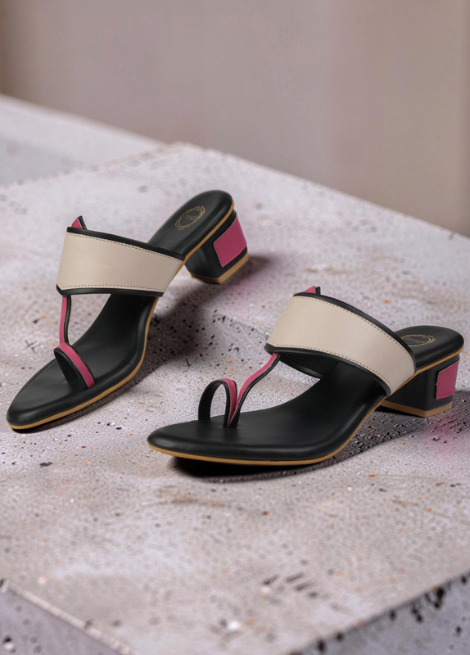
Bridal Kolhapuri Heels: The Perfect Blend of Tradition, Comfort & Style for Indian Weddings
by
Ak Makhija
07 Jul 2026
Introduction
Bridal Kolhapuri heels are one of the most practical choices a bride can make, and in 2026 they are also one of the most fashionable. These heels combine the hand braided leather construction of traditional Kolhapuri footwear with block heel bases and festive embellishments, giving brides the height they want without the discomfort of a stiletto through a four hour ceremony. The demand for Kolhapuri heels for wedding functions has grown steadily as brides across India shift from imported designer heels to footwear rooted in their own craft heritage.
If you are a bride to be, then do check out our Kolhapuri Heels collection, including block and wedge styles.
Comprehensive Summary
- Kolhapuri Craft Heritage: The Kolhapuri chappal traces back to the 12th century and carries a GI tag protecting its name across eight districts in Maharashtra and Karnataka.
- Why Brides Pick Kolhapuri Heels: Wedding Kolhapuri heels pair handcrafted detail with block heel comfort, making them a practical and cultural choice for full-day bridal wear.
- New Design Heels Kolhapuris for Bridals: From antique gold to emerald, current bridal Kolhapuri heels India brides are choosing come in richer palettes and heavier embellishments than ever before.
- Styling Kolhapuri Heels Across Functions: One pair of well-chosen Kolhapuri heels for wedding functions can take a bride from mehendi through reception without a footwear change.
- Buying the Right Kolhapuri Heels for Bridal: Heel height, double cushioning and strap security are the three things that separate a comfortable wedding pair from one that gets abandoned halfway through the day.
- Post-Wedding Wearability: Unlike most synthetic bridal footwear, the best Kolhapuri heels for bride use hold up across years of festive occasions with basic leather care.
Key Takeaways
- Block heel Kolhapuris distribute weight evenly across the foot, making them a stronger choice than stilettos for ceremonies that last four or more hours.
- Genuine Kolhapuri craftsmanship carries GI tag protection, meaning the name belongs to artisans in specific districts and the quality standard is tied to that geography.
- A single pair of well chosen wedding Kolhapuri heels can carry a bride through mehendi, sangeet and the main ceremony with no footwear swap needed.
What Are Bridal Kolhapuri Heels? A Brief History
Bridal Kolhapuri heels are an evolved form of the traditional open toe leather chappal, redesigned with a block heel or wedge base to meet the demands of modern Indian wedding wear.
The classic Kolhapuri sandal has been part of Indian dress for centuries, worn across everyday, festive and ceremonial settings. What makes the bridal version different is the structural lift added to the sole, the addition of festive embellishments and the choice of richer colour palettes that match bridal lehengas and sarees. As noted on the Wikipedia entry for Kolhapuri chappal, the footwear earned a Geographical Indication tag in 2019, protecting the craft name across eight districts in Maharashtra and Karnataka.
Origins of Traditional Kolhapuri Footwear
The Kolhapuri chappal's history goes back to the 12th century, when artisan communities in what is now the Kolhapur region began producing sturdy, vegetable tanned leather footwear. The craft gained prominence during the reign of Chhatrapati Shahu Maharaj of Kolhapur, who supported 29 tanning centres across the region. For brides, this history adds a layer of meaning to the footwear choice, since wearing bridal Kolhapuri heels India connects the wedding day to a craft tradition that predates most other Indian footwear styles.
Why Choose Kolhapuri Heels for Your Wedding?
Kolhapuri heels for wedding days give brides height, comfort and cultural authenticity in a single pair, which is a combination few other footwear styles deliver.
Indian wedding celebrations stretch across multiple days and multiple functions, each demanding hours of standing, sitting on low mandap stages, walking on grass and dancing. Stilettos handle none of this well. Block heel Kolhapuris handle all of it. The braided leather straps mould to the foot after the first hour, the wide block base keeps the bride steady on outdoor lawns and stone courtyards, and the handcrafted upper carries enough visual weight to stand out in photographs from every angle.
Key highlights about Kolhapuri Heels for Bridal:
- Wider heel base means steadier footing on mandap stages and garden lawns
- Braided leather upper moulds to the foot shape and softens with wear
- Block heel height of 1.5 to 2.5 inches adds lift without straining the ankle
- Handcrafted detail photographs richly under wedding lights and flashbulbs
- Available in colours and embellishments to match every lehenga shade
- Wearable across multiple functions without switching pairs
Customer Feedbacks for Idhaga:
"I wore my Kolhapuri heels through the full sangeet and then the wedding ceremony the next day. My feet genuinely did not hurt. Everyone kept asking where I got them." - Suchitra, Delhi
"I was nervous about heels for my wedding but these block heels were so stable. I danced all night and never once wobbled." - Rima, Mumbai
Design Variations, Colors & Embellishments for 2026
The 2026 range of bridal Kolhapuri heels has moved well beyond traditional tan and brown leather into a full spectrum of bridal appropriate colours and embellishment styles that match current lehenga trends.
Color Trends & Palette Options
Brides in 2026 are picking footwear that either mirrors or intentionally contrasts their lehenga palette, and Kolhapuri heels now come in shades that support both approaches.
- Gold and antique bronze: The most versatile bridal shade, pairing with red, maroon, pink and ivory lehengas
- Emerald green: Gaining popularity among brides who want a colour pop against red or ivory bridal wear
- Maroon and ruby: A natural match for red lehengas and silk sarees
- Ivory and cream: Clean, minimal bridal tones that suit pastel and white lehengas
- Champagne and rose gold: Newer additions that work with blush pink and peach bridal palettes
Embellishment Styles
Current embellishment choices on wedding Kolhapuri heels range from restrained to statement, giving brides full control over how much the footwear stands out.
|
Embellishment |
Best For |
Occasion |
|---|---|---|
|
Mirror work |
Heavy lehenga with embroidery |
Wedding ceremony |
|
Zari braiding |
Silk sarees and Banarasi sets |
Ceremony and reception |
|
Stone and crystal setting |
Pastel lehengas needing sparkle |
Reception and sangeet |
|
Ghungroo detailing |
Playful, festive looks |
Mehendi and sangeet |
|
Minimal burnished leather |
Contemporary and fusion bridal wear |
Reception and cocktail |
Heel Types & Sole Options
Heel structure directly affects comfort across long events, so this decision deserves more attention than colour alone.
- Block heel (1.5 to 2 inches): The safest all day option, suitable for all wedding functions
- Platform base with block heel: Adds height while keeping the foot nearly flat inside the shoe Slightly taller, better for photography and formal functions
- Wedge heel: Distributes weight across the full sole, ideal for outdoor venues with uneven ground
- Platform base with block heel: Adds height while keeping the foot nearly flat inside the shoe
Double cushioned soles, as found in the Idhaga Heels Kolhapuris range, are the single most effective construction detail for full day bridal comfort. The cushioning absorbs impact during pheras, dancing and extended standing.
Complete Styling Guide for Every Wedding Function
Knowing how to style Kolhapuri heels with lehenga, saree and salwar suit across different wedding functions saves brides from last minute decisions on each event day.
- Mehendi: Keep the footwear relaxed. A tan or mustard block heel Kolhapuri with ghungroo or mirror detailing pairs with printed cotton or georgette lehengas. Flat Kolhapuri online options also work here if the preference is comfort over height for a full day sitting function.
- Haldi: Wear footwear you do not mind exposing to turmeric. A simple flat Kolhapuri in a deep or dark colour handles haldi stains better than lighter festive pairs.
- Sangeet: This is the function for statement footwear. A maroon or emerald block heel Kolhapuri with stone or crystal embellishment pairs with sharara sets, heavy lehengas and embroidered salwar suits. For brides asking how to style Kolhapuri heels with lehenga at sangeet, match the footwear metallic to the embroidery thread colour on the lehenga.
- Wedding Ceremony: Choose the best Kolhapuri heels for bride wear during pheras based on heel height and strap security. A 2 inch block heel with an ankle strap or T-bar design keeps the foot secure during the full ceremony. Gold or antique bronze tones carry across most bridal colour schemes.
- Reception: The reception allows more creative pairing. A champagne or rose gold pair against a pastel or white reception lehenga reads modern and clean. For bridal Kolhapuri heels India brides wear to cocktail receptions, a minimal burnished leather with stone detailing adds quiet luxury.
Kolhapuri Heels vs. Other Wedding Footwear Options
Bridal Kolhapuri heels sit in a distinct category compared to other popular wedding footwear choices in India. The table below covers the most searched comparisons.
|
Factor |
Bridal Kolhapuri Heels |
Stiletto Heels |
Juttis |
Wedge Heels |
|---|---|---|---|---|
|
Comfort for long wear |
High |
Low |
Medium |
High |
|
Stability on lawns |
High |
Low |
Medium |
High |
|
Embellishment range |
Wide |
Moderate |
Wide |
Moderate |
|
Cultural heritage |
Strong |
None |
Strong |
None |
|
Heel height range |
1.5 to 2.5 inches |
3 to 5 inches |
Flat |
2 to 3 inches |
|
Post wedding use |
Yes |
Limited |
Yes |
Limited |
|
Price range (Idhaga) |
Rs. 2,199 onwards |
Varies |
Rs. 1,800 onwards |
Varies |
Buying Guide: How to Choose Your Perfect Pair
The right pair of bridal Kolhapuri heels comes down to five decisions made in order: heel height, sole construction, embellishment, colour match and fit.
Before adding a pair to your cart or visiting a store, run through the checklist below to avoid the most common purchase mistakes brides report after the wedding:
- Heel height: 1.5 inches suits all day wear across every function. 2 to 2.5 inches works for ceremony and reception. Stay under 3 inches unless you wear heels daily
- Sole padding: Double cushioned soles are non-negotiable for events longer than four hours
- Strap security: An ankle strap or T-bar keeps the heel in place during pheras and dancing
- Colour decision: Pick a metallic first since gold, bronze or champagne cross multiple outfit changes. Add a colour pair as a second option for sangeet or mehendi
- Embellishment weight: Heavy stone setting adds visual impact but also weight. Test for comfort before committing
- Sizing: Kolhapuri leather stretches slightly with wear, so go true to size rather than sizing up
- Break-in time: Wear the pair at home for two to three sessions before the wedding day so the leather softens to your foot shape
Browse the Bling It On - Heels Kolhapuris for block heel styles starting at Rs. 1,750 with double cushioning built in.
Care, Maintenance & Longevity Tips
A good pair of bridal Kolhapuri heels India artisans hand stitch can last years with basic care, well beyond the wedding week.
The leather and handcrafted upper of wedding Kolhapuri heels requires slightly different maintenance than synthetic footwear. The steps below keep the pair in good condition from the first fitting through years of festive wear afterward:
- Cleaning after use: Wipe the upper with a soft dry cloth after each wear. For mud or dust on the sole, use a slightly damp cloth and allow the pair to air dry in shade, never in direct sun
- Leather conditioning: Apply a thin layer of leather conditioner every three to four weeks of active use to prevent the braided straps from cracking
- Storage: Store in the original box or a soft fabric pouch with silica gel packets to control moisture. Keep away from damp spaces since Kolhapuri leather absorbs humidity
- Embellishment care: Avoid submerging embellished pairs in water. Wipe mirror work or stone set areas with a dry cotton cloth only
- Sole care: If the rubber sole shows early wear, a cobbler can resole the base without disturbing the leather upper, extending the pair's life by two to three years
- Post-event refresh: After a full wedding day, stuff the upper with tissue paper and let the pair rest for 24 hours before wearing again. This helps the leather return to its original shape
Conclusion
Bridal Kolhapuri heels are not a compromise between tradition and comfort. They deliver both without asking the bride to choose. A well chosen pair from a genuine handcraft label handles every function from mehendi to reception, photographs beautifully under every lighting condition and continues earning use in the festive wardrobe for years after the wedding.
For brides who want their footwear to carry meaning as well as their weight, bridal Kolhapuri heels India artisans craft with GI-protected leather construction are the clearest answer on the market.
Start with one pair in a metallic tone, get the fit right, break them in at home, and they will carry you through one of the longest and most photographed days of your life without a single blister.
FAQs on Bridal Kolhapuri Heels
How long do bridal Kolhapuri heels typically last?
A well maintained pair of genuine leather bridal Kolhapuri heels lasts three to five years with regular conditioning and proper storage.
Can Kolhapuri heels be worn after the wedding?
Yes, bridal Kolhapuri heels transition naturally into festive, formal and casual ethnic occasions after the wedding, making them one of the most reusable footwear investments a bride can make.
Are Kolhapuri heels uncomfortable for long periods?
Block heel Kolhapuris with double cushioned soles are among the most comfortable options for long Indian wedding events, far more so than stilettos or thin-soled flat sandals.
What is the difference between Kolhapuri chappals and Kolhapuri heels?
Kolhapuri chappals are flat, open toe sandals with braided leather straps, while Kolhapuri heels add a block or wedge heel base to the same construction for height and festive use.
What makes Kolhapuri heels better than regular wedding heels?
Kolhapuri heels combine handcrafted leather construction, a stable block heel base and cultural craft heritage that mass-produced synthetic wedding heels do not carry.
Are there specific Kolhapuri heel designs for different wedding themes?
Yes, from mirror work and ghungroos for a rustic mehendi to stone-set block heels for a royal wedding aesthetic, the best Kolhapuri heels for bride selection covers every wedding theme and colour palette.
Sample Block Quote
Praesent vestibulum congue tellus at fringilla. Curabitur vitae semper sem, eu convallis est. Cras felis nunc commodo eu convallis vitae interdum non nisl. Maecenas ac est sit amet augue pharetra convallis.
Sample Paragraph Text
Praesent vestibulum congue tellus at fringilla. Curabitur vitae semper sem, eu convallis est. Cras felis nunc commodo eu convallis vitae interdum non nisl. Maecenas ac est sit amet augue pharetra convallis nec danos dui. Cras suscipit quam et turpis eleifend vitae malesuada magna congue. Damus id ullamcorper neque. Sed vitae mi a mi pretium aliquet ac sed elitos. Pellentesque nulla eros accumsan quis justo at tincidunt lobortis deli denimes, suspendisse vestibulum lectus in lectus volutpate.
Editor’s Picks
Example product title
- Rs. 19.99
- Rs. 19.99
- Unit price
- / per
Example product title
- Rs. 19.99
- Rs. 19.99
- Unit price
- / per
Example product title
- Rs. 19.99
- Rs. 19.99
- Unit price
- / per
Example product title
- Rs. 19.99
- Rs. 19.99
- Unit price
- / per
Example product title
- Rs. 19.99
- Rs. 19.99
- Unit price
- / per