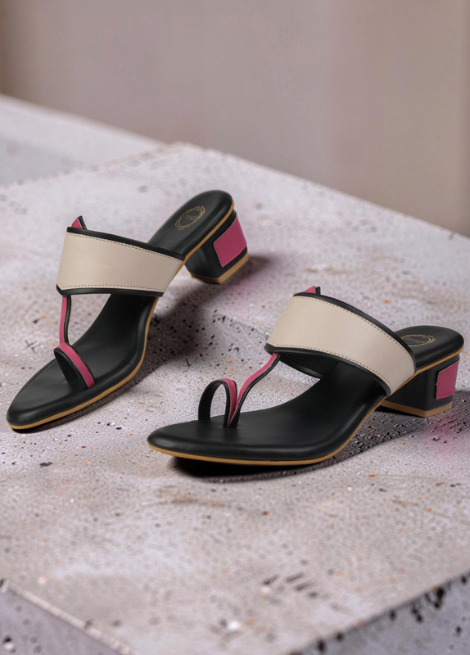
Pencil Heels vs. Block Heels: Which One is Ruining Your Posture?

Whether you're getting ready for a marathon Indian wedding or heading into a high-stakes board meeting, there is one question that has haunted women since the dawn of fashion: Do I go for the killer stilettos or the chunky blocks?
We've all been there: Standing in front of the mirror, looking at a pair of sleek pencil heels, and thinking, "These look incredible, but will I be able to walk by 9:00 PM?" The struggle for comfortable heels women actually want to wear is real.
Today, we're breaking down the great debate: Pencil Heels vs. Block Heels, and how your choice affects your posture, your back, and your sanity.
The "Tower of Pisa" Effect: Why Pencil Heels are Tricky
Pencil heels (or stilettos) are the undisputed queens of glamour. They elongate the legs and add an instant "oomph" to any outfit. But from a structural standpoint, they are a bit of a nightmare for your body.
When you wear a thin pencil heel, your entire body weight is concentrated on a point no larger than a tiny coin. It creates a massive shift in your center of gravity.
To keep from falling over, your lower back arches excessively, your pelvis tilts forward, and your calves stay in a constant state of contraction. Over time, this "S-curve" posture can lead to chronic lower back pain and even long-term changes in how you walk.
If you must wear them, they are best reserved as party wear heels for women who plan on doing more sitting and sipping than dancing and walking.
Why Block Heels Win for Posture
If pencil heels are the temperamental sports cars of the shoe world, block heels are the reliable SUVs. Because the base of a block heel is wide, your weight is distributed much more evenly across the foot.
This stability allows your ankles to stay neutral rather than wobbling with every step, for the modern Indian woman who is constantly on the move, navigating uneven pavements or rushing through office corridors. Block heels offer a "planted" feel.
They allow you to maintain a more natural spine alignment. You aren't constantly fighting to balance, which means your muscles don't fatigue as quickly. If you're looking for comfortable heels women can actually rely on for a full day, the "block" is your best friend.
Also Read - From Kurtas to Culottes: Styling Heeled Slippers for the Ultimate Fusion Look
The "Comfort" Alternatives: Wedges and Platforms
Sometimes, you want the height without the "heeled" feel at all. This is where platform heels sandals for women come into play. Platforms reduce the "incline" or the angle at which your foot sits.
A 4-inch heel with a 2-inch platform feels like you're only wearing a 2-inch heel. It's basically a cheat code for height! For a more casual look, white wedges heels for women are a massive trend in 2026.
They provide a solid block of support from the heel to the mid-foot, making them incredibly stable. They are the perfect middle ground for someone who finds block heels too heavy but pencil heels too painful.
Solving the "Indian Foot" Problems: Bites and Support
We can't talk about heels in India without talking about the dreaded "shoe bite." We've all tried the band-aid hacks, but investing in a dedicated shoe bite protector, usually a silicone or padded strip that sticks to the back of the shoe, can save your skin.
Furthermore, the Indian lifestyle often demands quick transitions. Sometimes, a full shoe is too much. That's why chappals and ladies slippers with wedge heels have become staples. They offer the elevation of a heel with the "slip-on-and-go" convenience of a slipper.
The Fusion Factor: Ethnic Comfort
If you love the traditional look but hate the flat, thin soles of old-school footwear, 2026 has brought some amazing innovations:
-
Kolhapuri Jutti for Women: Modern versions now come with padded insoles to prevent that "walking on stone" feeling.
-
Kolhapuri Heels for Women: These combine the gorgeous braided leather and pom-poms of a Kolhapuri with a sturdy block heel. It's the ultimate "Sangeet" shoe.
Special Care: Pregnancy and Footwear
One group of women who need to be extra careful with posture is mothers-to-be. During pregnancy, the body produces a hormone called relaxin, which loosens the ligaments. This, combined with a shifting center of gravity, makes high heels dangerous.
The best sandals for pregnant women are those with a very slight incline (about 1 inch) and a wide base. Avoid flats that are too flat, as they offer no arch support. A soft, cushioned wedge is often the most comfortable choice for managing swollen feet and back strain.
Why Dhaga?
At Dhaga, we don't just make shoes; we weave comfort into every stitch. We understand that the modern Indian woman is a multitasker, a dreamer, and a doer.
Our comfortable heels for women are inspired by the strength of our heritage and the needs of your future. When you wear Dhaga, you aren't just wearing a brand—you're wearing a commitment to quality and a healthier, more comfortable you.
The Verdict: Which One Should You Choose?
If you care about your posture and want to avoid that "walking on eggshells" look, Block Heels are the clear winner. They support your frame, protect your joints, and let you walk with confidence rather than caution.
However, fashion is about choice! If you love your stilettos, just keep them for short durations and carry a pair of foldable flats in your bag. Your back will thank you later by wearing comfortable heels for women.
FAQs
- Can I wear heels if I have back pain?
It's best to avoid thin heels. Opt for ladies slippers or low block heels chappal for women (under 2 inches) that provide a stable base and don't force your back into an extreme arch.
- What is the most comfortable heel height for daily wear?
Most podiatrists recommend a height of 1 to 2 inches. It provides a slight lift that supports the natural arch of the foot without putting excessive pressure on the balls of your feet.
- How do I prevent blisters in new party wear heels?
Use a shoe bite protector or an anti-friction stick on your heels and toes before you head out. Also, try wearing your heels with thick socks at home for 30 minutes to stretch them out slightly.
- Are wedges safer than block heels?
Wedges offer the most surface area, making them very safe for balance. However, ensure they aren't too heavy, as "clunky" wedges can sometimes lead to tripped ankles if the sole is rigid.
- Is it okay to wear Kolhapuri heels for long hours?
Yes, provided they have a cushioned footbed. Look for Kolhapuri heels for women that feature a soft lining under the leather to prevent the straps from digging into your skin.